
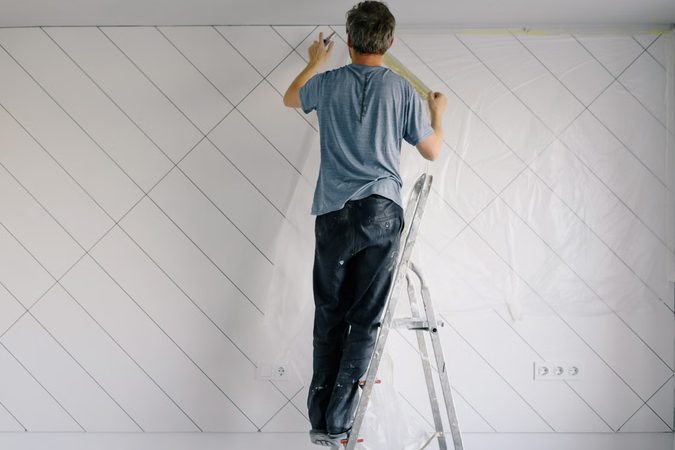
A home defect can return after repairs because visible damage may reflect a deeper problem rather than the original cause. For example, a damp patch on a wall may result from a leaking pipe, water entering through the exterior, or condensation forming on a cold surface. Repairing the damaged plaster can improve its appearance without correcting the condition that caused the moisture to accumulate. If the underlying issue remains, the same symptom may gradually return, making it seem like the repair failed even though it addressed the immediate damage.
Why Temporary Solutions May Not Last
Some repairs restore the appearance or immediate function of a building component without changing the conditions responsible for its deterioration. Applying sealant over a gap, repainting a stained surface, or replacing a small section of damaged material may provide temporary improvement. However, if water continues to enter, materials keep moving, or environmental conditions remain unchanged, the defect can recur. The durability of a repair therefore depends on whether the work addresses the mechanism causing the problem rather than simply covering its visible effects.
How Building Components Influence One Another
Homes contain interconnected systems, including plumbing, roofing, insulation, ventilation, drainage, and structural framing. A defect in one system can create symptoms in another part of the building. For instance, inadequate roof drainage may cause moisture damage inside a wall, while poor ventilation can encourage condensation that looks like a plumbing leak. Repairing the visible interior damage alone may not prevent recurrence because the source lies elsewhere. Understanding these relationships matters when a defect recurs despite separate attempts to fix it.
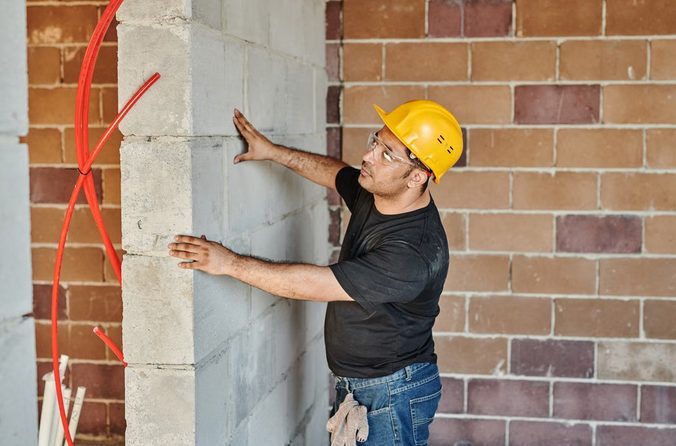
Why Different Repairs Can Produce Similar Results
Repeated repairs do not always involve the same diagnosis or method. One contractor may treat a defect as a surface problem, while another may suspect a different source based on the evidence available at the time. If neither investigation identifies the underlying cause, the resulting work may produce similar short-term improvements without resolving the issue. Changes in materials or repair techniques can also affect how the defect develops, but they do not guarantee that the original problem has been eliminated. Recurrence may therefore reflect incomplete diagnosis rather than poor artistry alone.
How Time and Environmental Conditions Affect Recurrence
Some building defects become visible only under particular conditions. Heavy rainfall, seasonal temperature changes, fluctuating groundwater, changes in indoor humidity, or repeated structural movement can expose weaknesses that remain unnoticed during other periods. A repair may appear successful until the building experiences the conditions that originally triggered the defect. The delay between repair and recurrence can make the relationship difficult to identify, particularly when the relevant environmental factors were absent during inspection. Knowing when and where a defect returns can help identify its underlying cause.
The same defect can reappear after multiple home repairs because visible symptoms do not always reveal the source of a problem. Temporary fixes, interconnected building systems, incomplete diagnosis, and changing environmental conditions can all contribute to recurring damage. Repetition does not automatically prove that earlier work was performed incorrectly, since the underlying cause may have remained hidden or developed over time. Examining the defect in its wider building context helps explain why repeated surface repairs may only provide temporary relief and why identifying the original mechanism is essential to understanding persistent problems.